
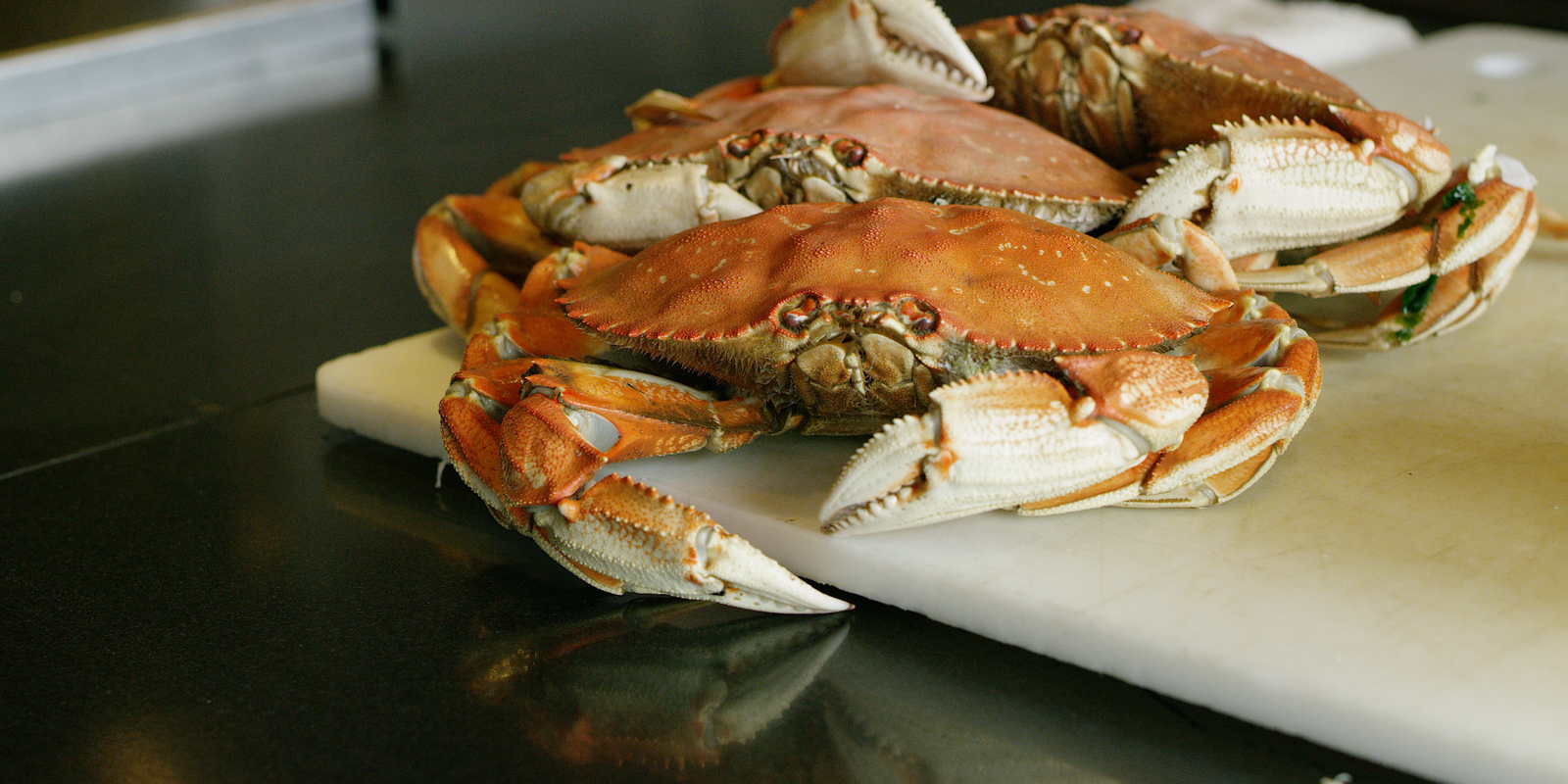
What is The Best Crab Legs to Eat: Guide to Dungeness Crab
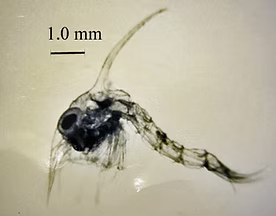
What is the best crab legs to eat. Fresh Dungeness crab legs (Metacarcinus magister) are decapod crustaceans that can be found in coastal waters ranging from the Pribilof Islands in Alaska to Santa Barbara, California. Dungeness crab seattle have multiple developmental stages that occupy distinct habitats and niches throughout their lifetimes. The image below shows the life cycle* of Dungeness crab, from zoea, to megalopa, to instar, to adult.
- Sale!

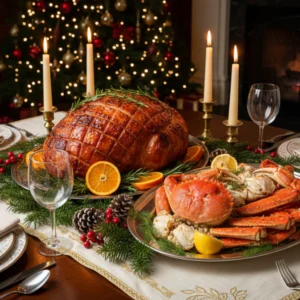
Smoked Ham and Dungeness Crab Combo
$499.95Original price was: $499.95.$399.95Current price is: $399.95. Add to cart - Sale!
Smoked Turkey and 10lbs Dungeness Crab Sections
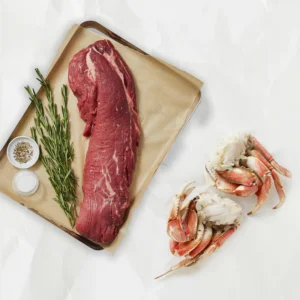
$489.95Original price was: $489.95.$389.95Current price is: $389.95. Add to cart Dungeness Crab | USDA Choice Beef Tenderloin Surf and Turf
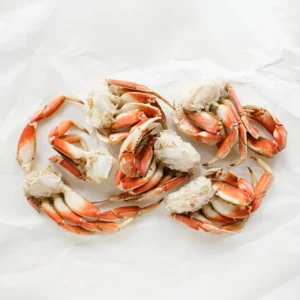
$180.00 – $800.00Price range: $180.00 through $800.00 Select options This product has multiple variants. The options may be chosen on the product pageAlaska | Jumbo Clusters Dungeness Crab
$100.00 – $394.76Price range: $100.00 through $394.76 Select options This product has multiple variants. The options may be chosen on the product page

Zoea
Plural: zoeaeBeginning as planktonic larvae, newly hatched Dungeness crab are released by females into the water column where they drift with the currents for about 80 days before moulting from zoeae into megalopae.Photo source: Oregon Department of Fish and Wildlife
Megalopa
Plural: megalopaeThe megalopal stage then begins moving back toward near-shore and estuarine environments.
Instar
Plural: instarsOnce they reach the near-shore, the megalopae moult to become instars (i.e., juvenile crab), which then settle to the benthos where they spend one to two years before migrating to deeper water as adult crab. Studies suggest that shell habitat, such as oyster beds, are a particularly important habitat for juvenile crabs, but they are also often found in gravel/rocky habitats covered with macroalgae and eelgrass.
Adult
Dungeness crab habitat reach sexual maturity by two years of age and females carry between 1.5 and 2.5 million eggs, which hatch between February and May in Washington waters. Age can be estimated by the width of a crab’s carapace (the dorsal shell), which is why only adult male crabs are harvested with a carapace width large enough to assume reproduction has occurred at least once.
THE dungeness crab seattle FISHERY
Adult and juvenile fresh Dungeness crab habitat are opportunistic feeders in both the estuarine and seafloor habitats, feeding on bivalves, fish, shrimp, and other crabs. Juveniles are often eaten by demersal fishes like flounder, sole and sculpin, as well as the introduced European green crab. Adult Dungeness crab have few predators due to their large size, but are known to be eaten by lingcod, cabezon, wolf eels, and sea otters. Other threats to Dungeness crab include hypoxia (low oxygen content), ocean warming and acidification, sedimentation due to dredging, and a vulnerability of larvae to disease, pesticides and other pollutants.
Dungeness crab is one of the most highly utilized marine species on the west coast of North America, filling relevant cultural, ecological, and economic roles throughout its range. The Washington state Dungeness crab fishery has become progressively more active over the past 30 years, with around 10 million pounds harvested annually, and supports countless livelihoods and communities throughout the state. Despite the clear importance of this species, Dungeness crab populations face many potential threats ranging from global issues, such as ocean acidification and warming sea-surface temperatures, to more localized issues like coastal development and fishing impacts. As these threats intensify, scientists and resource managers will need to develop and implement adaptive responses to sustain this species and the biological systems that they depend on.
While the biology and ecology of Dungeness crab is relatively well-understood compared to other marine invertebrates, many questions regarding how Dungeness populations vary over time and across space and what environmental variables influence different life stages remain unanswered. We especially lack basic information on life history traits of Dungeness crab in Washigton’s inland waters of the greater Puget Sound region. In the absence of some of this important biological information, the Dungeness crab fishery within the state of Washington is co-managed by the state and treaty tribes without a stock assessment. Rather, the fishery is managed through a “3-S” (size, sex, season) system, where only males over a certain size limit can be harvested at specific times of year. Although the 3-S system seemed robust enough to maintain sustainability and stability of the fishery for many years, recent concerns about this management regime have been raised in response to a sharp population decline in southern Puget Sound where a once productive Dungeness crab fishing area has been closed for several years.