usda prime beef

USDA Prime Beef: Why It’s a Top Choice for Steaks

When you’re shopping for great USDA choice beef & steaks online, the grade makes a real difference. And at the top of the scale sits United States Department of Agriculture USDA prime beef. It’s the benchmark most steakhouses rely on, and once you’ve tasted it, it’s easy to understand why.

What USDA Prime Really Means

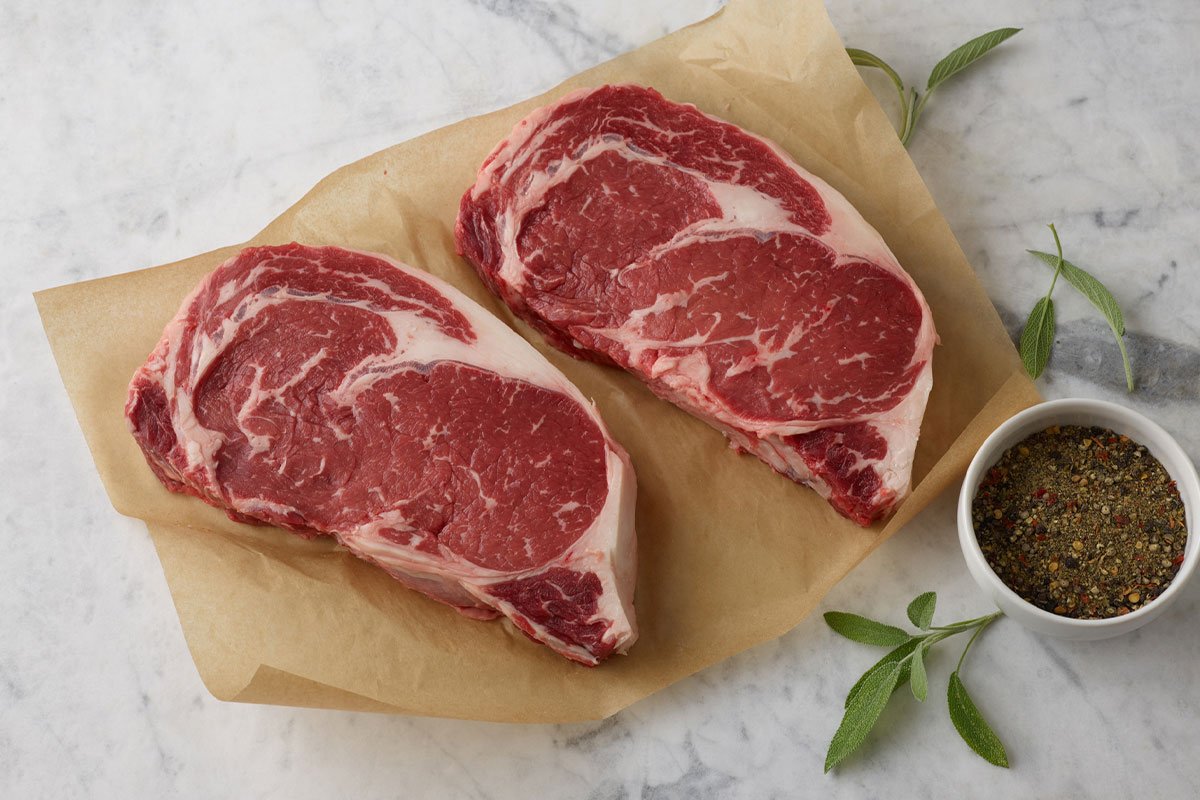
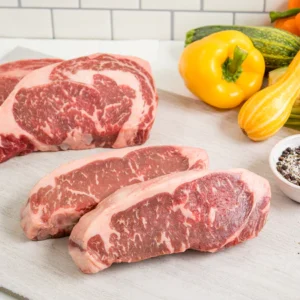
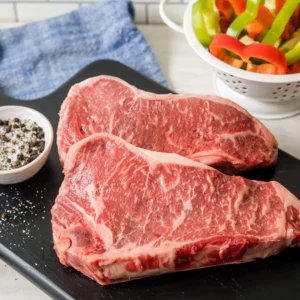
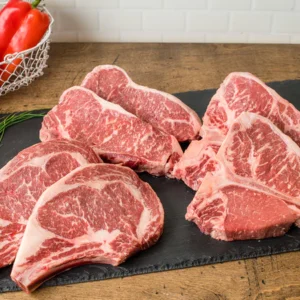
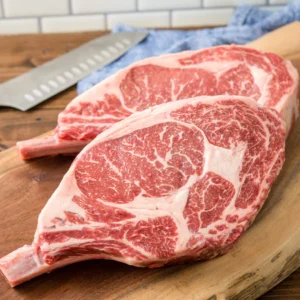
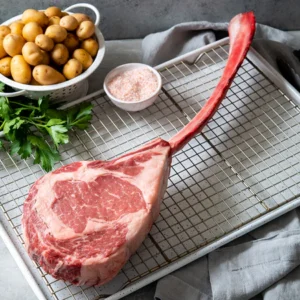
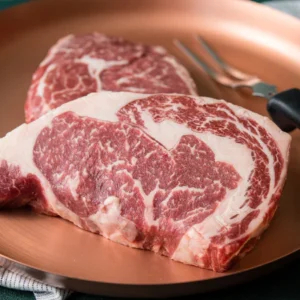
USDA Prime choice select is the highest beef grade awarded by the USDA. To qualify, the beef must come from young, well-fed cattle and show abundant marbling, those fine streaks of fat running through the meat.

That marbling is everything. As it melts during cooking, it keeps the steak juicy and adds that rich, full flavor people associate with a proper steakhouse experience. Prime cuts respond especially well to dry-heat methods like grilling, roasting, or broiling, where the fat can render slowly and baste the meat from within.

Because of its quality, Prime beef is more commonly found in upscale restaurants and specialty butcher shops than in standard supermarkets.

Prime vs. Choice vs. Select

Understanding the difference between grades helps you buy with confidence.

Prime

The most marbling, the most tenderness, and the most flavor. This is the top tier.

Choice

Still high quality and widely available, but with less marbling. You’ll get a good steak, just not the same richness or softness as Prime.

Select

Lean and uniform, but noticeably less juicy and flavorful. It can work for everyday meals, but it won’t deliver that steakhouse depth.

If you’re aiming for a truly memorable steak dinner, Prime is the clear winner.

USDA choice beef & steaks online

Choosing the Right prime choice select

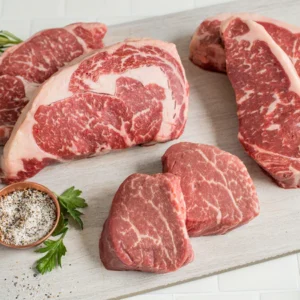
Even within Prime, different cuts offer different experiences. Here’s how they compare:

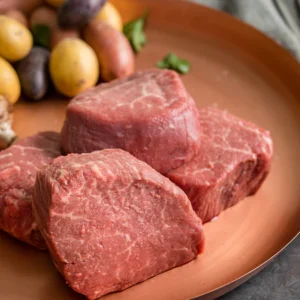
Filet Mignon

Known for exceptional tenderness and a buttery texture. It’s leaner than other premium cuts, which makes it ideal for anyone who values softness over bold beef flavor. Best enjoyed medium-rare.

Ribeye

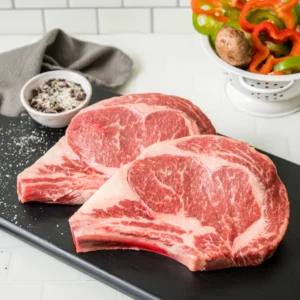
This is the flavor champion. With generous marbling throughout, ribeye delivers a deep, beefy taste as the fat renders during cooking. Excellent grilled or pan-seared, and best cooked medium-rare to medium.

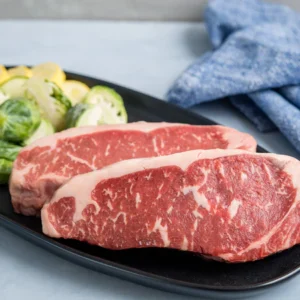
New York Strip

A balanced option. It has a firmer bite than filet mignon but less fat than ribeye. You still get strong flavor with a bit more structure. Medium-rare to medium works beautifully here.

If you want maximum tenderness, go with filet mignon. If you’re after bold, rich flavor, ribeye is hard to beat. If you prefer something in between, the strip steak is a solid choice.

Grilling USDA Prime the Right Way

A great USDA steak grades doesn’t need complicated techniques, but a few details make all the difference.

Bring it to room temperature
Let the steak sit out for about 20–60 minutes before cooking. This helps it cook more evenly.

Keep seasoning simple
A light brush of olive oil and a generous sprinkle of salt and freshly cracked pepper are usually enough. Prime beef already has the flavor built in.

Preheat properly
Your grill should be hot, around 450°F. High heat helps create a proper crust without overcooking the inside.

Use tongs, not a fork
Piercing the meat lets juices escape. Tongs keep everything intact.

Watch for flare-ups
Rendered fat can cause flames. Move the steak gently to avoid charring.

Let it rest
After cooking, allow the steak to rest for about 10 minutes. This helps the juices redistribute so they stay in the meat, not on your plate.

Steak Doneness Guide

For accuracy, use a meat thermometer. Here’s a quick reference:

  • Rare: 120–130°F

  • Medium Rare: 130–135°F

  • Medium: 140–145°F

  • Medium Well: 150–155°F

  • Well Done: 160–165°F

Medium-rare is often considered the sweet spot for Prime because it preserves tenderness while allowing the marbling to shine.

Leave a Comment

Your email address will not be published. Required fields are marked *