USDA Prime vs Choice vs Select: What’s the Difference?
When you see a USDA grade shield on a package of beef, it’s more than just a label. It’s a standardized system developed by the USDA Agricultural Marketing Service to give buyers, retailers, and consumers a clear understanding of what USDA Prime vs choice befor purchasing.
Here’s what those grades actually mean in practical terms.
How Beef Is Graded
Beef is evaluated by trained USDA choice beef & steaks online graders who look at key factors such as marbling, maturity, and overall carcass characteristics. They use both visual assessment and specialized instruments to make consistent decisions.
There are two main types of grades:
Quality Grades – Focused on tenderness, juiciness, and flavor
Yield Grades – Focused on how much usable lean meat comes from the carcass
For most consumers, quality grade is what really matters when choosing steaks and roasts.
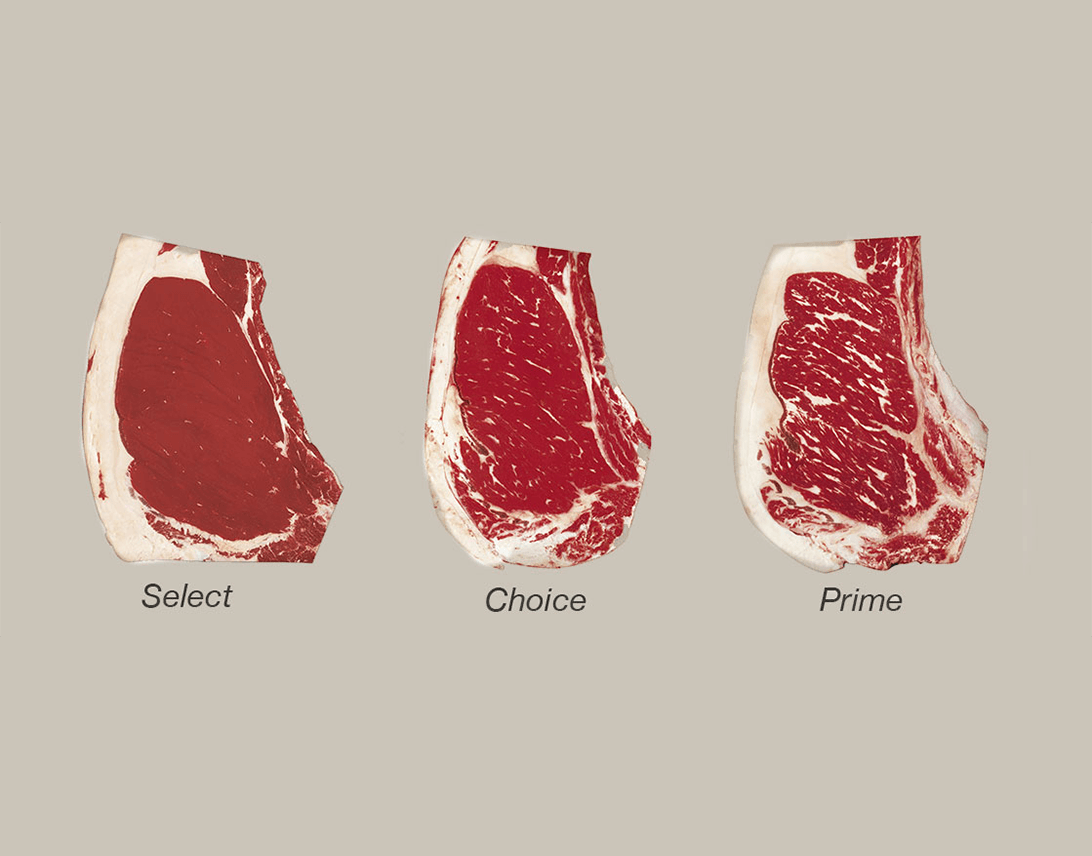
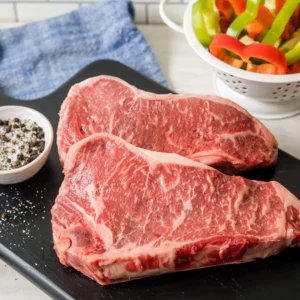
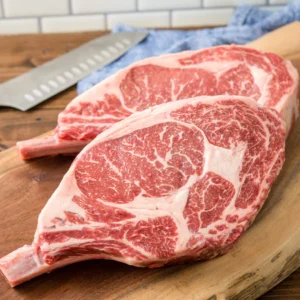
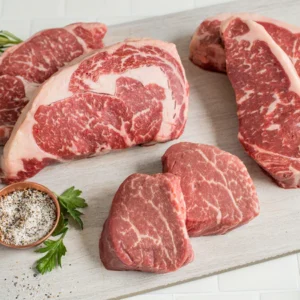
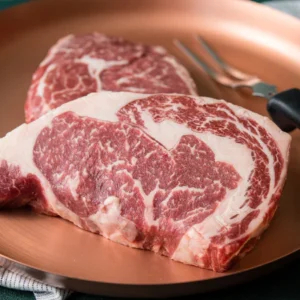
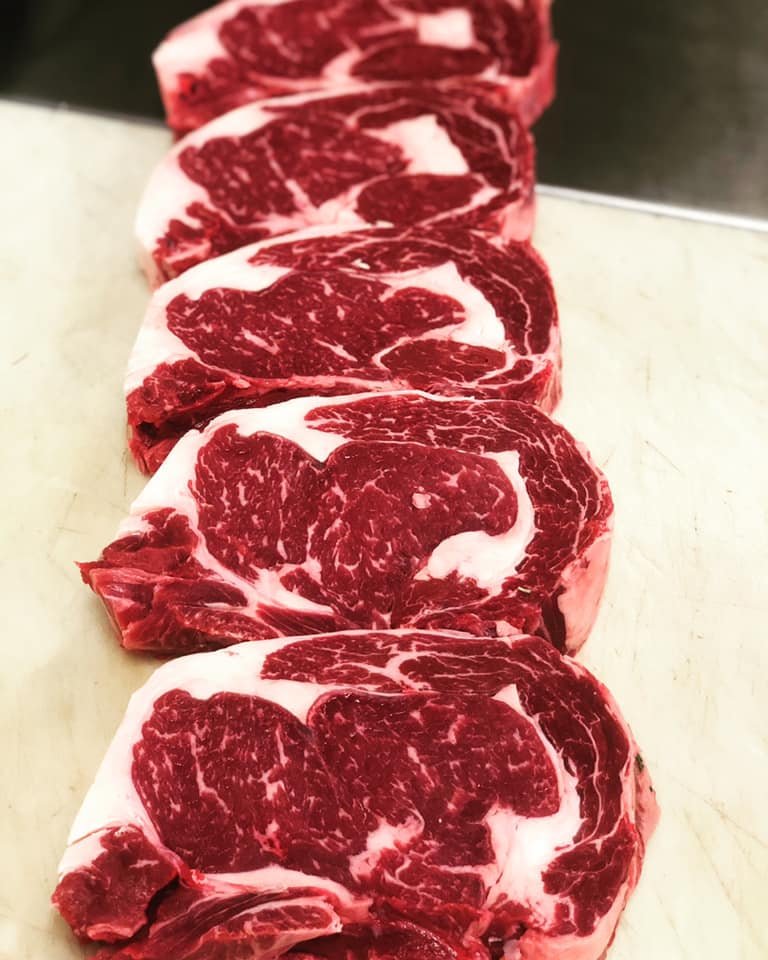
It comes from young, well-fed cattle and has abundant marbling. That intramuscular fat is what gives Prime beef its rich flavor and tenderness. It’s commonly served in high-end restaurants and steakhouses.
Best cooking methods:
Grilling
Broiling
Roasting
If you want a steakhouse-style experience at home, Prime delivers that deep, buttery finish.
Choice
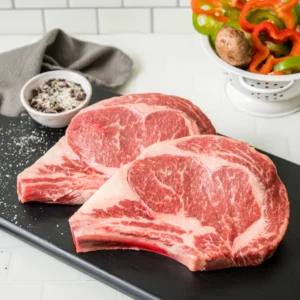
Choice is also high quality but has slightly less marbling than Prime.
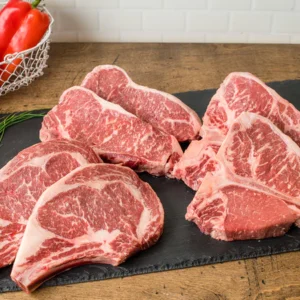
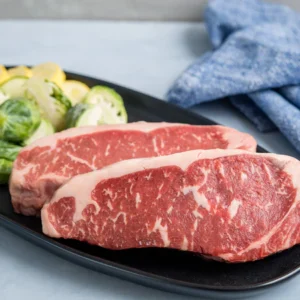
Many Choice cuts, especially from the rib and loin, are very tender and flavorful. It’s the most widely available premium grade in grocery stores.
Best cooking methods:
Dry heat for tender cuts (grilling, roasting)
Braising or slow cooking for less tender cuts
Choice offers strong value while still delivering excellent eating quality.
Select
Select is leaner and more uniform in appearance.
Because it contains less marbling, it can be less juicy than Prime or Choice. That doesn’t mean it’s poor quality, it just requires more attention during cooking.
Best cooking methods:
Dry heat for naturally tender cuts
Marinating or braising for others
Handled properly, Select can still produce a very satisfying meal.
Standard, Commercial, Utility, Cutter, and Canner
Standard and Commercial are often sold as store brands or ungraded beef.
Utility, Cutter, and Canner are typically used for ground beef and processed products rather than retail steaks.
Why the USDA Grade Shield Matters
The USDA grading system creates a common language within the beef industry. It simplifies buying and selling, ensures consistency, and gives consumers confidence in what they’re purchasing.
When you’re standing at the meat counter or ordering at a restaurant, that shield tells you something meaningful about tenderness, flavor, and overall eating experience.
So next time you see it, you’ll know exactly what you’re getting and why it matters.