
Wagyu Beef Restaurant: Where to Find Real Kobe Beef (Online and In Restaurants)
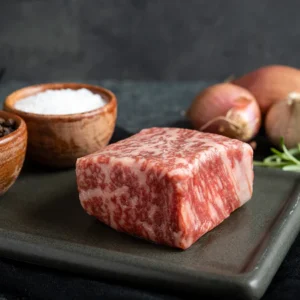
When people talk about Wagyu, they often lump everything together. In reality, Kobe beef near me is a very specific product from Kobe in Japan. All Kobe is Wagyu, but not all Wagyu is Kobe. That distinction matters if you’re paying premium prices and expecting the real thing from the best wagyu beef restaurant in the US at Katu Seafood & Beef.
Kobe vs. “American Wagyu”
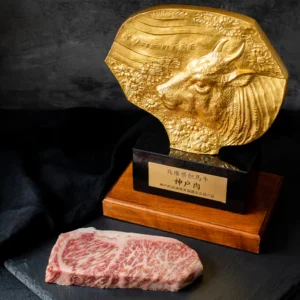
In Japan, Wagyu simply means Japanese cattle, but the term refers to specific bloodlines raised under strict standards. Kobe beef goes even further. It must come from Tajima-gyu cattle raised in Hyogo Prefecture and pass rigorous grading requirements.
In the U.S., you’ll see “American Wagyu,” which usually means Wagyu genetics crossbred with domestic cattle. Brands like Snake River Farms helped popularize it. It can be excellent beef, but it is not Japanese Kobe. Think of it like Champagne versus sparkling wine. Both can be good, but only one comes from the protected region.
If you specifically want authentic Kobe, make sure the seller or restaurant is officially certified.
kobe beef for sale
The Cuts You’ll Typically See in the U.S.
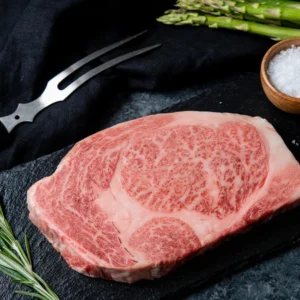
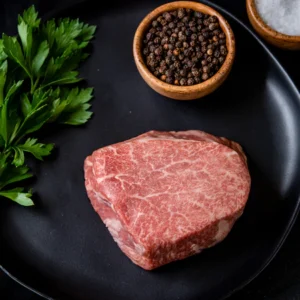
Most American steakhouses stick to the classics:
Ribeye
New York strip
Filet mignon
Tenderloin
Top sirloin
In Japan, you’ll find a much wider range of cuts, especially in yakiniku restaurants. That includes short rib, chuck eye roll, tri-tip, tongue, and more. Some of the lesser-known cuts are outstanding, but they don’t get as much attention here because most buyers default to familiar steakhouse options.
Understanding the A5 Grading
Japanese beef is graded on two main factors: yield (A, B, C) and quality (1–5).
When you see A5, that means:
A = highest yield category
5 = highest quality score
Within that quality score is the Beef Marbling Score (BMS), which ranges from 1 to 12. A5 typically falls in the 8–12 BMS range. That said, higher marbling isn’t automatically better for everyone. A4 can still be exceptional and sometimes offers a more balanced eating experience.
Most U.S. retailers simplify things and offer only A5 because that’s what customers ask for. It’s the “top tier” label people recognize.
Where to Buy Authentic Kobe Beef (Retail & Online)
If you prefer to cook it yourself, these businesses are known for carrying certified Kobe:
Alpine Butcher
The Butcher Shop by Niku Steakhouse
Elite Meat Market
La Carniceria (multiple CA locations)
TheMeatery.com
Meat Artisan
Palm Beach Meats
Wagshals
Before ordering, confirm the product is certified Kobe from Japan, not domestic Wagyu.
Certified Kobe Restaurants in the U.S.
If you’d rather skip cooking and let a professional handle it, these restaurants are known for serving certified Kobe beef:
212 Steakhouse
Alexander’s Steakhouse
Barclay Prime
Bazaar Meat by Jose Andres
B&B Butchers & Restaurant
COTE Korean Steakhouse
CUT by Wolfgang Puck
Del Frisco’s Double Eagle Steakhouse
Gibsons Italia
Mastro’s Steakhouse
Nick & Sam’s Steakhouse
RPM Steak
Scotch 80 Prime
Vic & Anthony’s Steakhouse
If a restaurant isn’t officially certified but advertises “Kobe sliders” or “Kobe burgers,” it’s almost certainly not authentic Japanese Kobe.
Kobe Distributors (Wholesale)
For chefs and restaurant buyers sourcing wholesale Japanese A5:
Rocker Bros Meat
K&K International, Inc.
Capital Meat Imports, LLC
Mutual Trading Co., Inc.
Ushi-Toro
Wagyu Sommelier & Co, LLC
These companies handle certified Japanese imports and supply many of the restaurants listed above.
Final Thoughts
If your goal is to try real Kobe beef at least once, you have two solid options: order from a certified retailer and cook it carefully at home, or visit a certified restaurant and let an experienced chef handle it.
Either way, the key is simple. Verify certification, understand what you’re buying, and don’t assume every “Wagyu” label means Kobe. When you’re paying for the top tier, you deserve the real thing.