american wagyu vs japanese wagyu

American Wagyu vs Japanese Wagyu: Key Differences

It’s a common belief that American Wagyu vs Japanese Wagyu are essentially the same. They share the name, they’re both beautifully marbled, and they both command premium prices. But once you look closer, the differences become very clear. Buy premium Wagyu meet with sameday delivery!

Let’s break it down in more detail.

The History Behind Japanese Wagyu and american wagyu beef

Wagyu beef originated in Japan and carries deep agricultural and cultural roots. The word “Wagyu” literally translates to “Japanese cow,” but it refers specifically to four native Japanese breeds:

  • Japanese Black (Kuroge Washu)

  • Japanese Brown (Akage Washu)

  • Japanese Polled (Nihon Tankakushu)

  • Japanese Shorthorn (Mukaku Washu)

Among these, Japanese Black is the most prized for its extraordinary marbling.

For decades, Japan tightly restricted cattle exports. Between 1975 and 1997, a limited number of Wagyu cattle were exported to the United States. American ranchers began breeding them, often crossing them with Angus to produce what is now widely marketed as American Wagyu.

This crossbreeding is one of the core differences between the two.

Cattle Raising Techniques

Premium Wagyu starts long before it reaches your plate. It begins with genetics, but it’s perfected through how the cattle are raised.

In Japan, Wagyu cattle are raised under highly controlled and specialized conditions. Farmers focus heavily on:

  • Maintaining low-stress environments

  • Providing carefully balanced feed programs that may include rice straw, grains, and hay

  • Ensuring clean housing and attentive daily care

  • Monitoring health and weight gain with precision

The philosophy is simple: healthier, calmer cattle produce better marbling and superior meat quality.

In the United States, while many producers raise cattle responsibly and ethically, standards are not governed by the same centralized, decades-refined national framework as in Japan. Conditions and feeding programs can vary significantly from farm to farm.

Even small differences in diet, stress levels, and breeding programs can impact the final texture and fat quality.

Buy premium Wagyu meet with sameday delivery

Wagyu Grading Standards

Grading is where the gap becomes even more defined.

In Japan, the Japanese Meat Grading Association evaluates beef using a strict system based on both yield and quality.

Yield grades:

  • A (highest)

  • B

  • C

Quality grades:

  • 1 through 5

The highest possible rating is A5, which reflects exceptional marbling, color, firmness, texture, and fat quality. A4 and A5 are considered premium, export-level grades.

In the United States, beef is typically graded under the USDA system (Prime, Choice, Select). Even American Wagyu beef is often graded within this framework. While USDA Prime is excellent beef, it does not operate on the same marbling scale as Japanese A5.

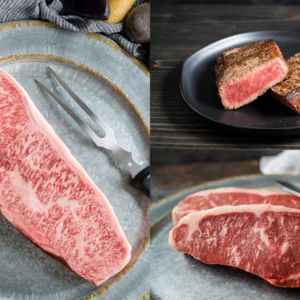
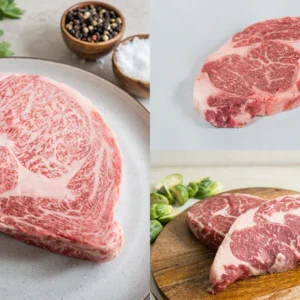
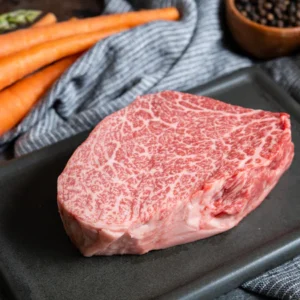
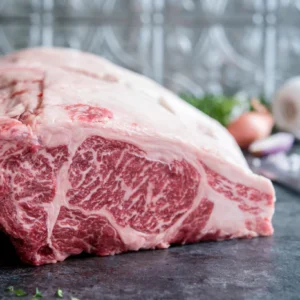
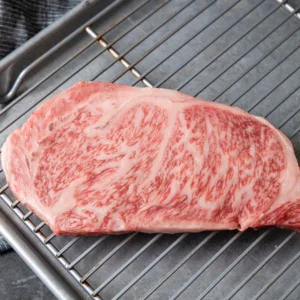
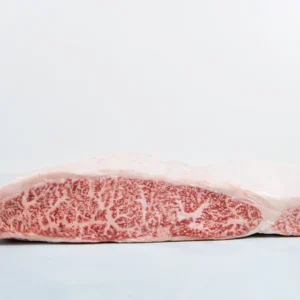
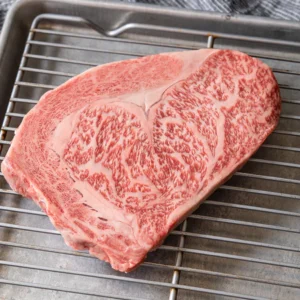
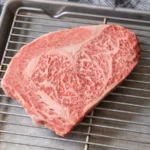
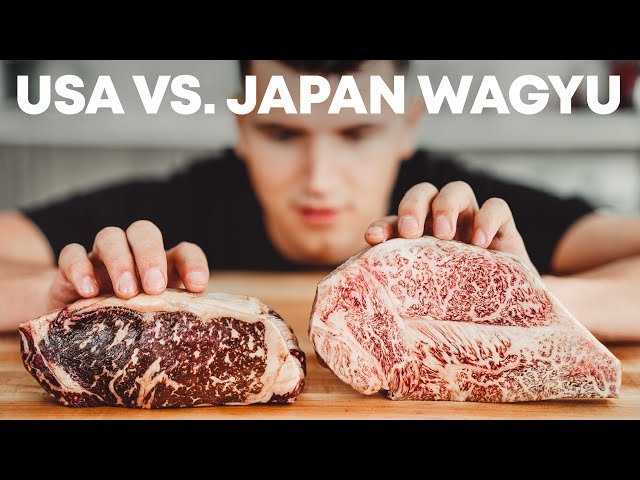
An A5 Japanese Wagyu steak contains significantly more intricate, evenly distributed marbling than even a USDA Prime steak.

Flavor, Texture, and Overall Experience

This is where the difference becomes unmistakable.

Authentic Japanese Wagyu is known for:

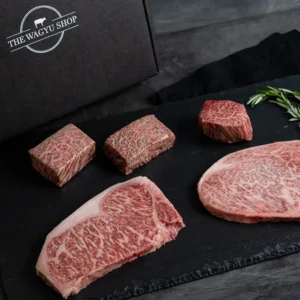
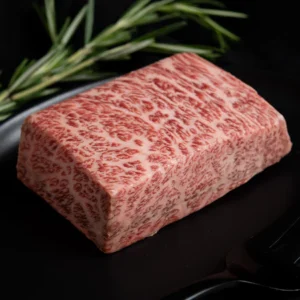
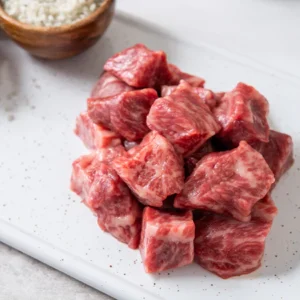
  • Extremely fine, lace-like marbling

  • A soft, almost buttery mouthfeel

  • Fat that melts at a lower temperature

  • A rich, slightly sweet umami profile

When properly prepared, high-grade Japanese Wagyu almost melts as it touches your tongue. It’s incredibly rich, which is why it’s typically served in smaller portions.

American Wagyu, especially crossbred versions, tends to deliver:

  • A more traditional beef-forward flavor

  • Firmer bite

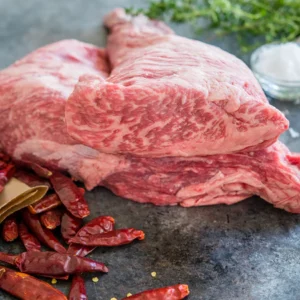
  • Less intense marbling compared to Japanese A5

Many diners enjoy American Wagyu for larger steaks because it balances richness with familiarity. But in terms of pure marbling density and melt-in-your-mouth texture, Japanese Wagyu stands apart.

Availability in the United States

If you’re in the U.S. and want genuine Japanese Wagyu, it is available through specialty importers. Authentic product should come with documentation verifying origin and grade.

Retailers such as WAGYUMAN offer certified A4 and A5 Japanese Wagyu cuts, complete with authenticity certificates. This ensures you are purchasing true Japanese Wagyu rather than a domestic crossbreed.

The Bottom Line

Japanese Wagyu and American wagyu beef may share a name, but they are not the same product.

Japanese Wagyu:

  • Purebred bloodlines

  • Strict national grading system (A1–A5)

  • Extremely high marbling intensity

  • Ultra-soft texture and refined flavor

American Wagyu:

  • Often crossbred with Angus

  • Graded under USDA standards

  • Rich and flavorful, but less intensely marbled

Both can be excellent depending on what you’re looking for. But if your goal is to experience the legendary melt-in-your mouth richness that made Wagyu famous worldwide, authentic Japanese A4 or A5 is truly in a class of its own.

Leave a Comment

Your email address will not be published. Required fields are marked *