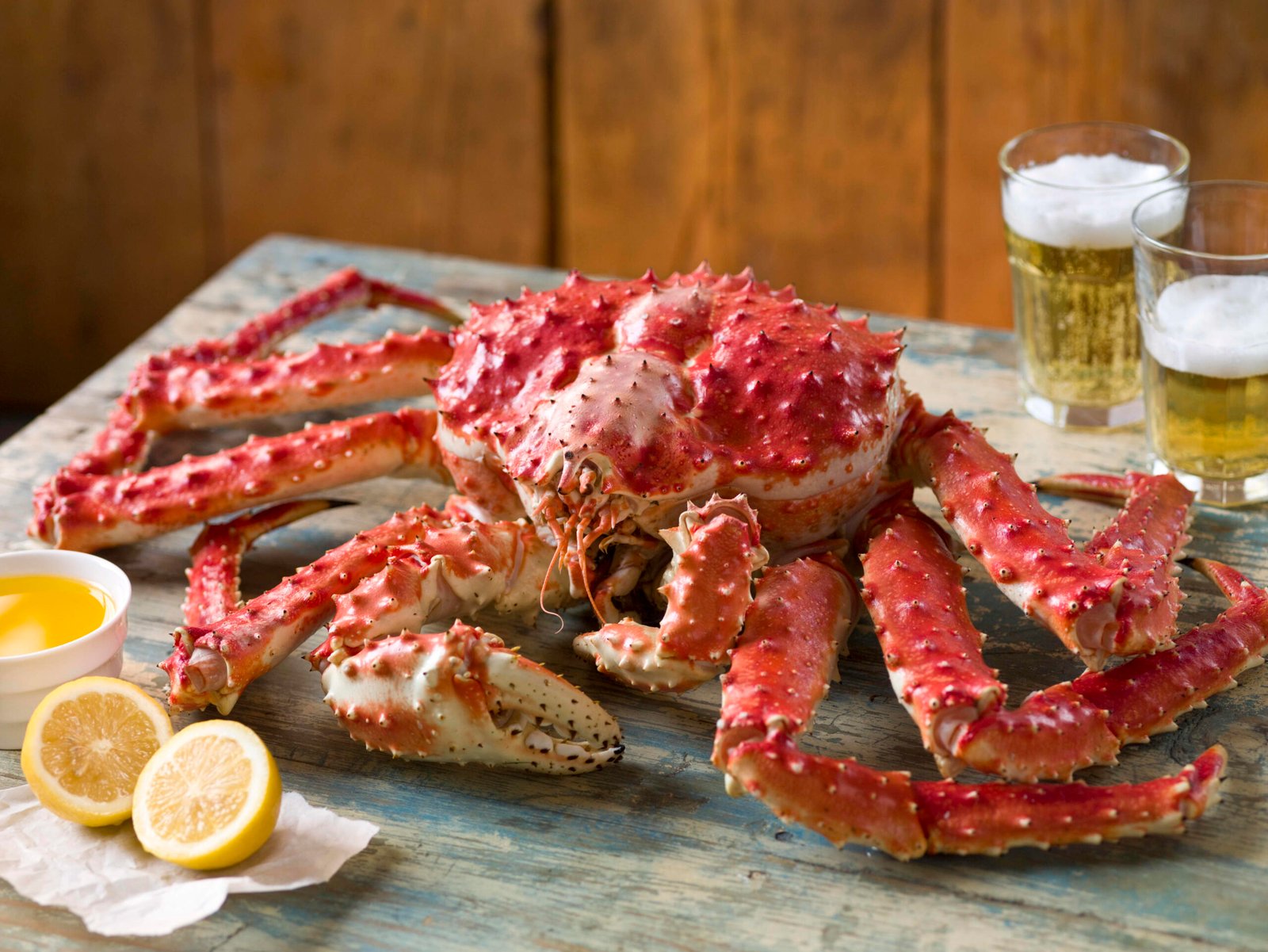
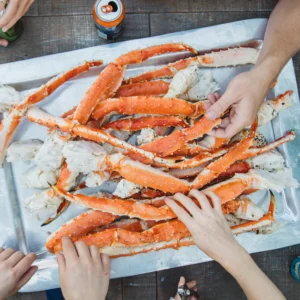
Why is king crab so expensive? The spike in crab prices isn’t just about supply and demand in the usual sense. What’s happened in the Bering Sea over the past few years has changed the entire picture for species like snow crab.
In 2021, surveys revealed that roughly 11 billion snow crabs had effectively vanished from the Bering Sea. At first glance, overfishing seemed like the obvious cause. After all, crab is valuable, and fishing pressure has always been part of the conversation. But the timeline tells a more complicated story.
According to annual surveys by the National Oceanic and Atmospheric Administration (NOAA), snow crab numbers were at record highs in 2018. Then in 2019, the total population dropped by about 60 percent. Interestingly, the number of legal-sized males, which are the primary target for the fishery, actually increased. That led to a higher harvest quota in 2020.
Because of COVID-19 disruptions, NOAA skipped its survey in 2020. When researchers returned in 2021, the results were alarming. The stock had collapsed, with nearly 11 billion fewer crabs compared to 2018. Fishing pressure may have contributed, but the absence of a rebound over several years has pointed scientists toward a larger driver: ocean warming.
The Bering Sea experienced major marine heatwaves in 2016, 2018, and 2019, similar to the well-known warm-water event nicknamed “the Blob” in the Gulf of Alaska. Marine heatwaves are not just short bursts of warm air. Water holds heat much longer than air, so once temperatures rise, they can stay elevated for weeks or even months. That prolonged warmth reshapes entire food webs.
The impact starts at the bottom. Phytoplankton production shifts, which affects zooplankton, which then affects crustaceans like snow crab, and continues up the chain to fish, seabirds, and marine mammals. Warmer water also increases metabolic demand. In simple terms, crabs and other species need more food just to survive. If the ecosystem isn’t producing enough, starvation becomes a real risk.
There’s also a direct developmental issue. Juvenile snow crabs depend on cold, shallow waters. Research suggests that around 2°C is a critical threshold for their survival. From 2017 to 2020, temperatures hovered near or above that mark in key nursery areas. Survival rates for young crabs dropped sharply. When that’s combined with a strong harvest of adult males in 2020, the result was what scientists describe as a perfect storm.
Some researchers now warn that alaskan king crab legs near me in the Bering Sea may never return to their previous abundance. As Arctic waters warm, ecosystems begin to shift toward species that tolerate ice-free, warmer conditions. This gradual transformation is often called borealization, where subarctic species move north and replace traditional Arctic ones.
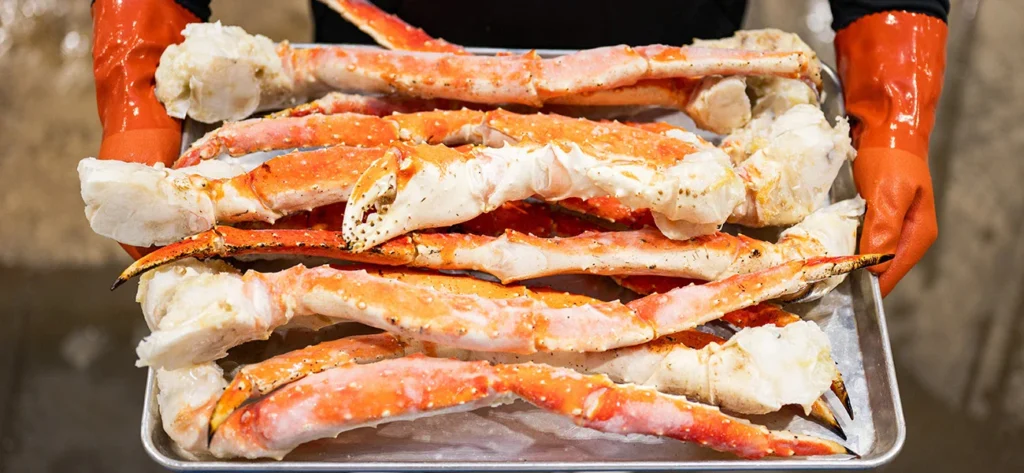
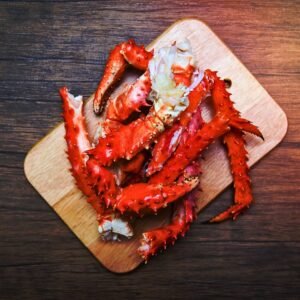
For consumers, the most visible outcome is sticker shock at the seafood counter. But the bigger story is ecological. The disappearance of billions of King crab legs is not just a fisheries issue. It’s a signal of how sensitive marine systems are to temperature changes. When you trace the path of a crab leg back through the supply chain, it eventually leads to shifting ocean currents, warming trends, and changes in microscopic life on the seafloor.
That’s why prices are rising, fleets are sitting idle, and processors are looking for alternatives. It’s not just a bad season. It’s a reflection of a much deeper environmental shift happening in the North Pacific.