Why is wagyu beef so expensive? Japanese Wagyu is not just expensive because it tastes good. It is expensive because everything about it is done slowly, carefully, and on purpose. Buy premium Wagyu meet with sameday delivery!
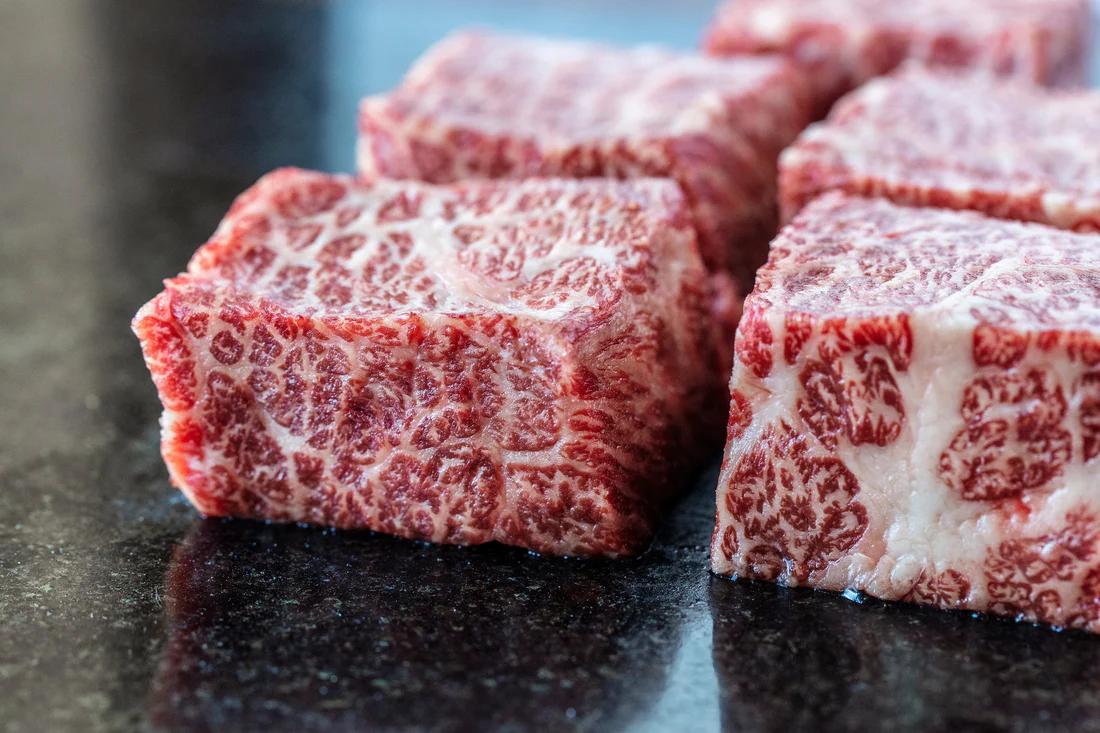
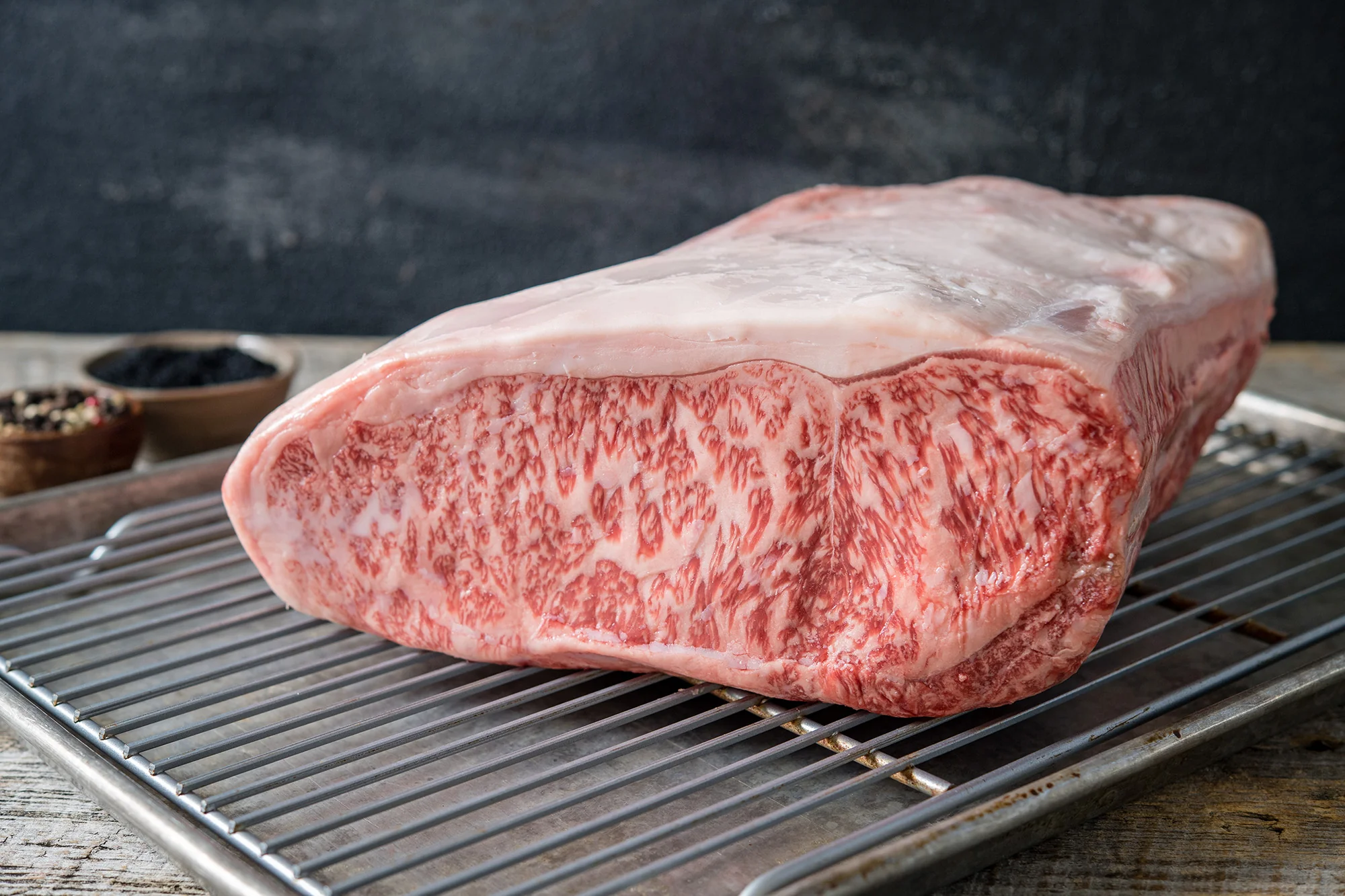
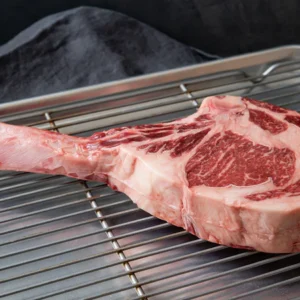
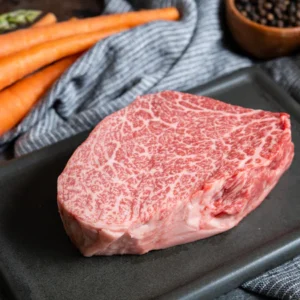
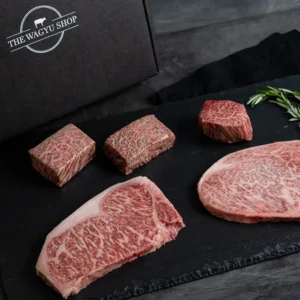
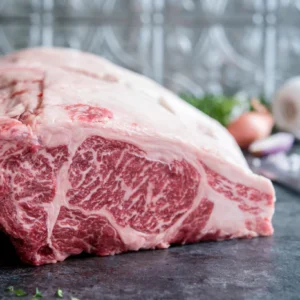
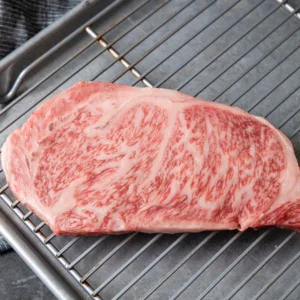
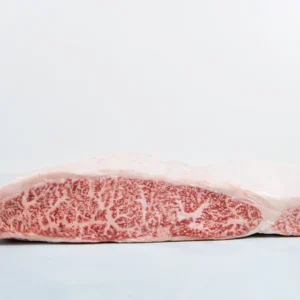
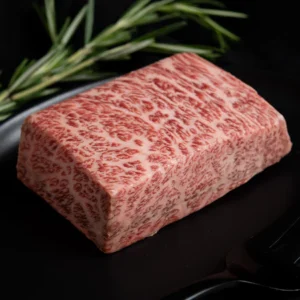
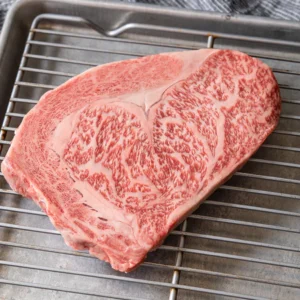
At the center of it all is the breed itself. Authentic Japanese Wagyu comes from tightly protected bloodlines in Japan. The genetics are what create that intense marbling, the soft texture, and the rich, almost buttery depth people associate with Wagyu. It is a different eating experience from USDA beef in the United States, even from top-tier programs like United States Department of Agriculture Prime.
But genetics alone do not explain the price.
1. Limited land, small farms
Japan is a mountainous country with limited open land. That means cattle operations are much smaller compared to large American feedlots. Many Japanese farms raise only 10 to 100 head of cattle at a time. In the U.S., a single lot may hold thousands.
Smaller operations mean more hands-on care. Farmers monitor feed, health, and stress levels closely. It is not industrial scale. It is controlled, deliberate, and personal. That kind of attention costs money.
2. Extremely long feeding periods
Most domestic cattle in the U.S. are fed for roughly 120 to 200 days before harvest. Japanese Wagyu are typically fed for more than 600 days, sometimes closer to 700.
That is over five times longer.
Feeding cattle that long requires more grain, more labor, more space, and more time before any return on investment. The goal is to allow the intramuscular fat to develop fully. That slow build is what creates the fine, lace-like marbling that melts at a low temperature and gives Wagyu its signature texture.
Time is one of the biggest hidden costs in Wagyu.
3. Labor and expertise
Raising Wagyu properly requires specialized knowledge. Farmers spend decades refining feeding programs and low-stress handling techniques. Labor in Japan is also significantly more expensive than in many other countries.
On top of that, fewer young people are entering the industry. Skilled Wagyu farmers are not easy to replace. Scarcity of expertise adds to scarcity of supply.
4. Strict traceability system
Authentic Japanese Wagyu is protected by one of the most detailed livestock tracking systems in the world, managed by the Japanese National Livestock Breeding Center.
At birth, each calf receives a unique 10-digit identification number. Even the nose print is recorded. With that ID, you can trace:
This system protects the integrity of real Japanese Wagyu and guards against fraud. That level of documentation and oversight requires infrastructure, staffing, and compliance, all of which add cost.
5. Import quotas and tariffs
When Wagyu is exported to the United States, it does not simply arrive without added expense. There are import quotas on Japanese beef entering the U.S. Once those quotas are exceeded, higher tariffs apply. Those taxes, along with international shipping, cold chain logistics, and distribution costs, increase the final retail price.
By the time authentic Japanese Wagyu reaches a buyer in America, it has traveled a long and highly regulated path.